
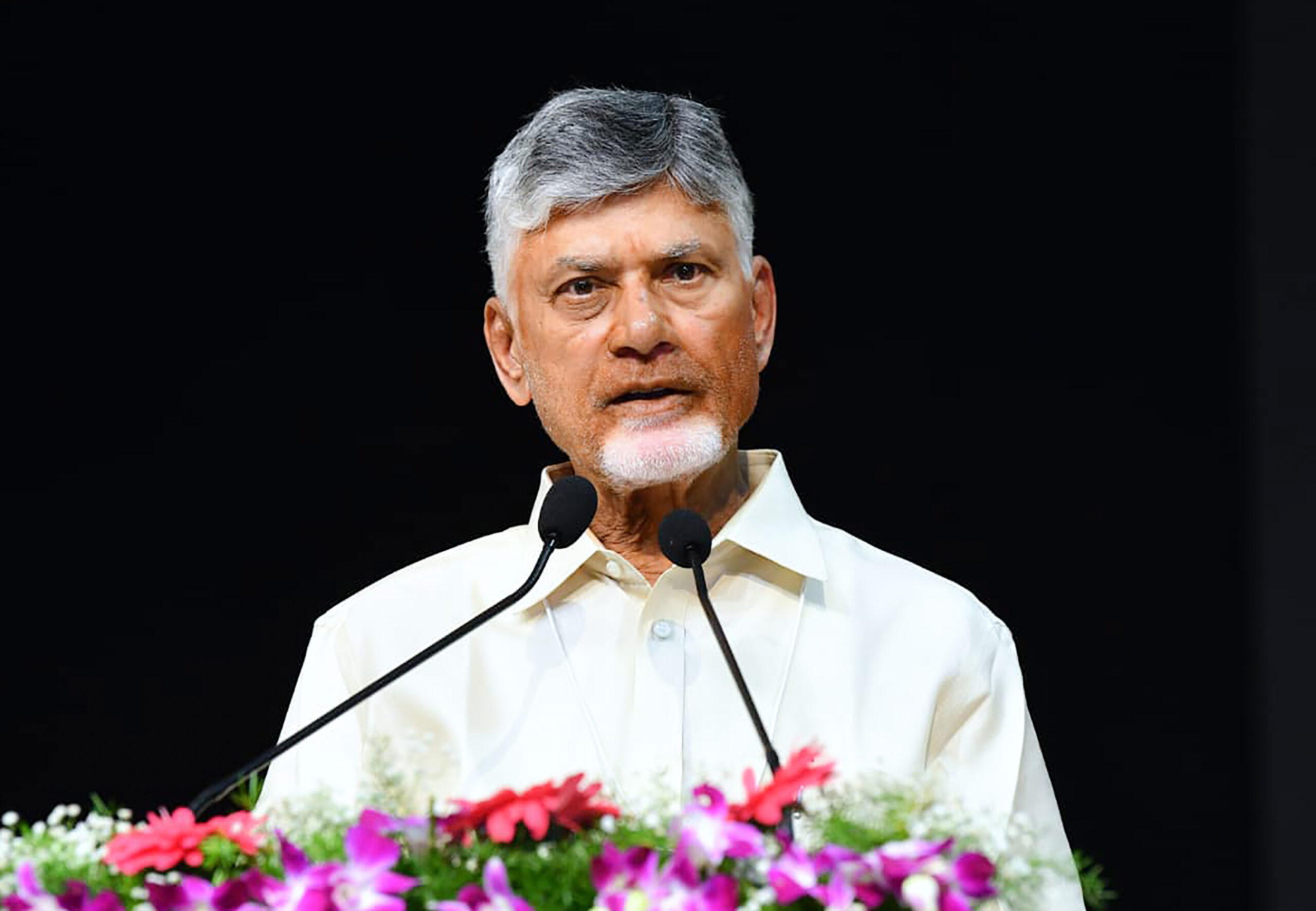
New Delhi, Nov 18 (SocialNews.XYZ) On the eve of the CII Partnership Summit, Andhra Pradesh Chief Minister N. Chandrababu Naidu had said the state would bring an Investment Protection Act, so that incentives, land allotments and approvals granted to investors cannot be reversed by a future government.
Approval is a first step. Of 4,423 proposals Karnataka approved between 2013 and October 2025, only 697 had been implemented, according to state government data. What follows depends on promises that run for years. Gujarat’s new industrial policy, in force since June, pays its largest units capital subsidies over twelve years. Such promises hold only if a state’s word survives a tighter budget and a change of government.
When Telangana’s government changed in December 2023, the state owed industry about Rs 3,736 crore in incentives, including cheques worth Rs 684 crore that could not be cashed for lack of funds. On 29 October, Andhra Pradesh industry sought about Rs 5,000 crore in pending dues for small units; the state released about Rs 1,400 crore this week.
Incentives are paid from annual budgets, and when revenue falls short, they are the easiest payments to defer. Investors price that risk in, so a state that pays late ends up offering more for the same investment.
Instruments, not assurances
A commitment survives a change of government only if it is hard to reverse, hard to leave unpaid and hard to ignore. Three instruments do this: law, secured payment and disclosure.
Law fixes the promise. Under Andhra Pradesh’s proposal, later policy changes would apply only to new investments. In May, in State of Himachal Pradesh v. Kundlas Loh Udyog, the Supreme Court restated that where a state has sanctioned an incentive for a specific enterprise that has then invested, it is “all the more firmly bound”. The investor lost because its incentive had never been specifically sanctioned. But a law protects the promise, not the payment.
Secured payment closes that gap. Andhra Pradesh is setting up an escrow account, funded from the state GST that large units generate, to pay their incentives. It helps, but investors have no claim on it, and smaller firms are excluded. Under the PM-eBus Sewa scheme, by contrast, 19 states and Union Territories have authorised the Reserve Bank of India to debit their accounts if they default on electric bus payments. An opt-in version for large incentives would make payment independent of who governs.
Disclosure makes the cost visible. The Union Budget has reported the revenue impact of its tax incentives since 2006-07, but few states, if any, publish what they owe investors. States should, so that a successor inherits a recorded liability rather than a contested promise.
Infrastructure that waits
Incentives bring an investor in; infrastructure keeps it productive. Yet states cut it first. Between 2015-16 and 2023-24, they underspent their capital budgets by about 20 per cent, against 7 per cent for revenue spending.
Clusters could fund much of this themselves, but their taxes often go elsewhere. In Sanand, an automobile hub outside Ahmedabad, industrial units already pay service charges for roads, drainage and street lights. Three gram panchayats also collect property tax from them, though they provide no civic services. Industry objects to paying twice, and the matter is before a court.
Gujarat’s law offers a way out. Under Section 16 of its Industrial Development Act, 1962, an industrial estate can be declared a notified area, run by a board that includes industry, which collects a consolidated tax and spends it on the estate. Sanand’s industries have sought that status, so far without success.
States should make this routine. Every industrial cluster above a set size should become a notified area within a fixed period, with industry on its board, and keep the local taxes it pays. It could also keep half of any increase in the cluster’s stamp duty over a recorded baseline, for 20 to 25 years.
Three safeguards are needed. The money should pay only for shared infrastructure, with a share for villages whose land was acquired. The Comptroller and Auditor General should audit the accounts. Any borrowing against this revenue must count as state debt. Kerala shows why: in June, the auditor held that its infrastructure fund’s borrowings were in substance state debt. Ring-fencing can work; hidden debt cannot.
Promises that hold
A promise that outlasts a government should be written down, funded and disclosed. An investor with a statutory certificate, a secured payment and a recorded liability does not need to read the election results. A cluster that funds its own roads does not need to wait for the next budget.
The competition that matters is not over who signs the most memoranda. It is over whose promises hold.
(Anuj Gupta is Managing Director, BowerGroupAsia, India. Ritika Joshi is Assistant Professor, Gautam Buddha University, Noida. Views expressed are personal.)
Source: IANS

About Gopi
Gopi Adusumilli is a Programmer. He is the editor of SocialNews.XYZ and President of AGK Fire Inc.
He enjoys designing websites, developing mobile applications and publishing news articles on current events from various authenticated news sources.
When it comes to writing he likes to write about current world politics and Indian Movies. His future plans include developing SocialNews.XYZ into a News website that has no bias or judgment towards any.
He can be reached at gopi@socialnews.xyz