
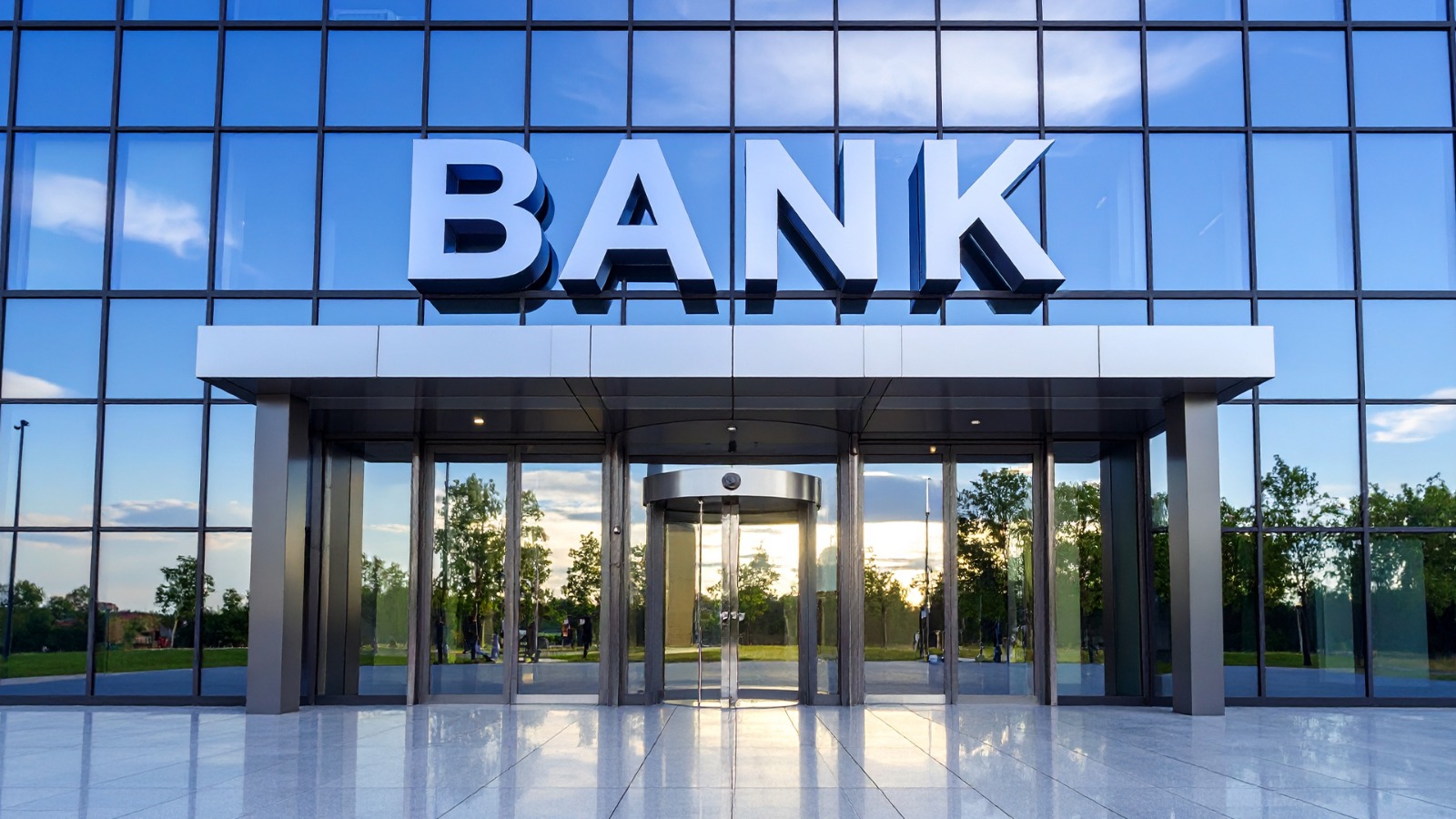
New Delhi, Nov 17 (SocialNews.XYZ) The collapse of Paraguay’s largest digital bank, Ueno Bank, and the Latin American country’s experience in the banking sector over the past two years hold lessons for its neighbours about what to emulate and what to avoid, and India’s own experience on fiscal rules and bank failures provides the reasons, according to an article in India Narrative.
The collapse is akin to the Yes Bank and PMC failures in India which was finally fixed by the government.
The 'Fiscal Responsibility Law,' introduced in 2013, keeps the central government deficit within 1.5 per cent of GDP. The Central Bank of Paraguay (BCP) has inflation targeting at 3.5 per cent with two points band above and below.
The design is close to that of India’s Monetary Policy Committee of 4 (plus or minus) 2 per cent target from 2016. In January, the inflation rate was 2.7 per cent, lower than the target, while the public debt was about 36 per cent of GDP in April. Paraguay got its first investment-grade rating from Moody’s in July 2024 and S&P in December 2025. In South America, Chile, Peru and Uruguay alone enjoyed that status with S&P while Brazil and Colombia are both rated BB.
This achievement did not come from its wealth. Paraguay is an economy of soya cultivation and hydropower generation of about six million people.
However, successive governments in Paraguay breached or suspended the deficit ceiling in almost all years since 2019. The 2026 budget signed on December 31 aimed at returning to the rule.
However, on the very day, the government recognised its outstanding bills worth $1.27 billion to drug suppliers and road contractors. By August, it became clear that this year’s deficit will be 3.2 per cent, while next year’s will be 3.9 per cent and the deficit ceiling pushed to 2028.
In India, there has been a similar experience. The FRBM Act introduced in 2003 had the deficit target that was deferred so many times that N.K. Singh committee suggested a debt anchor in 2017. Now, the IMF’s review in June has asked Paraguay to introduce the debt anchor and make the expenditure recognition happen on the basis of delivery and not payments.
The Ueno Bank failure is more serious. During the first half of this year, the loans made by Ueno increased by about 30 per cent while deposits increased only by 10 per cent. Also, at the beginning of his tenure, Paraguay President Santiago Pena himself had appointed the then head of Ueno, Carlos Carvallo, as the head of BCP supervising the bank.
This is a lesson that India learnt at a cost. Yes Bank had been reporting healthy capital ratios while its loans were filled with stressed corporate groups. Similarly, PMC Bank had hidden its exposure to real estate firm HDIL behind thousands of dummy accounts. In both the cases, the RBI had the powers necessary and used those quite late. The supervisor who gets the position from the bank he is supposed to supervise will act even later.
However, the resolution itself is a piece of art that should be replicated. The Paraguay Deposit Guarantee Law introduced in 2003 guarantees up to 75 monthly minimum wage per depositor which works out to be about $28,000. It has provided guidelines for the wind-up of a failed bank.
Within a week, the guarantee fund managed to provide at least provisional payments to 93 per cent of 1.87 million insured depositors, about $340 million in five days. But the depositors of PMC had to wait much longer; and it took the increase of the DICGC cover to Rs 5 lakh in 2020 and the amendment to the DICGC Act in 2021 to bring a 90-day payment time.
The finance ministers of other Latin American countries need to start with the Paraguayan model; a deficit ceiling law, an inflation targeting central bank left alone and a deposit guarantee fund paying in days. Then fix what Paraguay did not; give the fiscal rule a debt anchor and accrual accounting system so that arrears cannot hide and have a cooling off period and a strict conflict of interest bar for those moving between ownership of a bank, bank supervision and governance.
India took about two decades and two bank failures to learn both lessons. Latin America can learn them from Paraguay’s past two years at a much lower cost, the article observes.
Source: IANS

About Gopi
Gopi Adusumilli is a Programmer. He is the editor of SocialNews.XYZ and President of AGK Fire Inc.
He enjoys designing websites, developing mobile applications and publishing news articles on current events from various authenticated news sources.
When it comes to writing he likes to write about current world politics and Indian Movies. His future plans include developing SocialNews.XYZ into a News website that has no bias or judgment towards any.
He can be reached at gopi@socialnews.xyz