
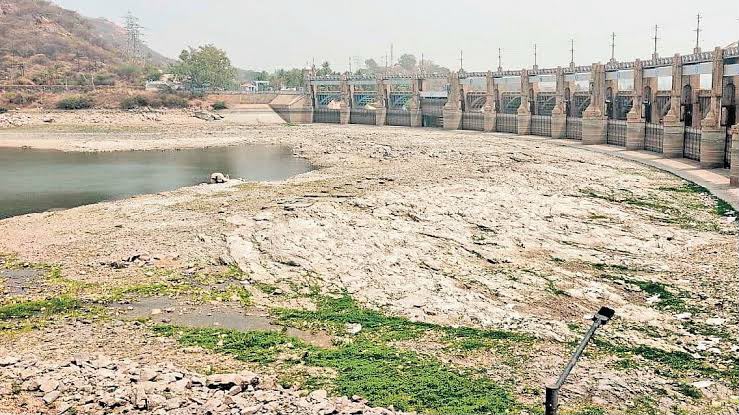
Chennai, Oct 1 (SocialNews.XYZ) Water storage in Tamil Nadu’s 90 dams has fallen to about 34 per cent of their combined capacity, raising concerns over irrigation and drinking water supplies as persistent heat leaves 63 reservoirs with less than a quarter of their capacity.
The dams, maintained by the Water Resources Department, can together hold 224 thousand million cubic feet (tmcft) of water. However, their current storage stands at just 76.4 tmcft, highlighting the pressure on water resources across several districts.
Built across different rivers, these reservoirs support agriculture, supply drinking water and meet electricity generation requirements. Many are located in the Western Ghats, where they also serve as important water sources for wildlife and birds. The sharp decline in storage has increased dependence on the forthcoming northeast monsoon.
Water Resources Department and drinking water board officials are awaiting rainfall to replenish reservoirs and help meet demand in the months ahead.
Of the 90 dams, 63 are facing severely depleted storage, with water levels below 25 per cent of capacity. Some have little usable water remaining, exposing accumulated mud and silt. Storage in 17 dams is reported to be around 17 per cent. The situation has been compounded by sediment and waste accumulating in reservoirs that have not been adequately desilted. These deposits reduce effective storage capacity, potentially limiting the amount of water available even when rainfall improves.
Although summer has ended, intense heat continues in several districts. The prolonged hot conditions have been attributed to the influence of El Nino, adding to concerns over the depletion of reservoir supplies.
If the current conditions persist without sufficient rainfall, meeting drinking water requirements could become increasingly difficult in several districts.
Reduced storage also threatens the availability of water for farms dependent on releases from the dams.
The figures underline the importance of both rainfall and reservoir maintenance in securing water supplies.
While the northeast monsoon could bring relief, accumulated silt remains a concern because it restricts the capacity available to capture and retain fresh inflows. Their recovery will depend on how much rain reaches the depleted reservoirs and catchments.
For now, the depleted reservoirs leave water authorities dependent on a substantial improvement in rainfall. The coming monsoon will be crucial to easing shortages and restoring supplies for households, agriculture and other users across the affected districts.
Source: IANS

About Gopi
Gopi Adusumilli is a Programmer. He is the editor of SocialNews.XYZ and President of AGK Fire Inc.
He enjoys designing websites, developing mobile applications and publishing news articles on current events from various authenticated news sources.
When it comes to writing he likes to write about current world politics and Indian Movies. His future plans include developing SocialNews.XYZ into a News website that has no bias or judgment towards any.
He can be reached at gopi@socialnews.xyz