
Geneva, Sep 15 (SocialNews.XYZ) An Indian NGO has called for a review of the Indus Waters Treaty (IWT), arguing that changing water-security conditions in the region require the 1960 agreement signed between India and Pakistan to be reassessed from a contemporary human-rights perspective.
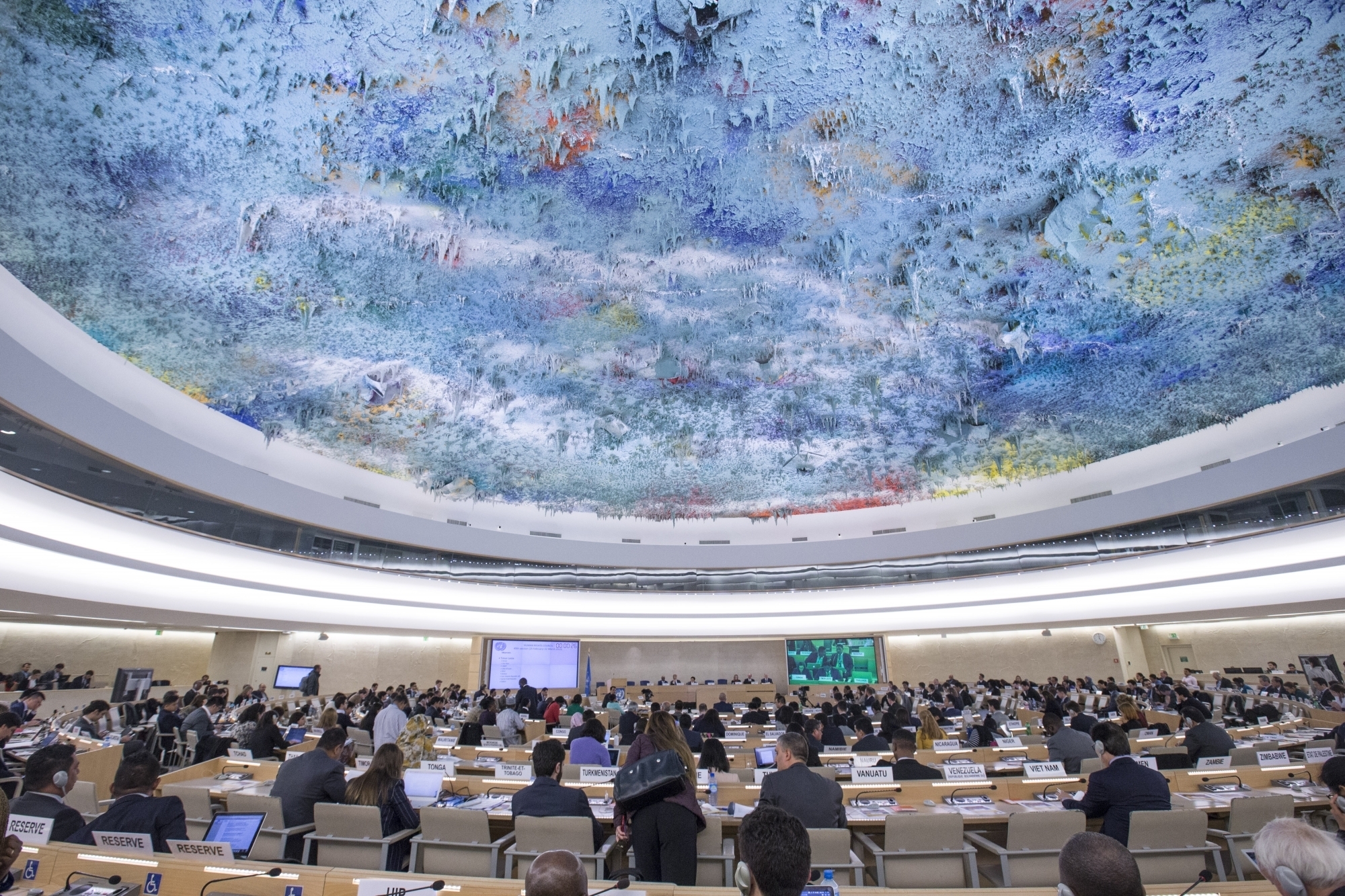
Delivering an oral statement at the 63rd Session of the UN Human Rights Council (UNHRC) under Item 3 on the Interactive Dialogue with the Special Rapporteur on the human rights to safe drinking water and sanitation, the Delhi-based NGO said access to water is closely linked to the rights to life, health, food, housing, dignity and development.
Referring to the UN recognition of access to safe and clean drinking water and sanitation as a fundamental human right, the statement said international water treaties should be implemented in a manner that strengthens, rather than constrains, states' ability to meet their human-rights obligations.
The NGO said the Indus Waters Treaty, despite being an important example of long-standing international cooperation, was signed more than six decades ago and the region's water-security environment has since changed significantly. It cited population growth, climate change, glacier retreat, groundwater depletion and increasingly unpredictable river flows as factors that have transformed water-security challenges in the region.
The statement argued that contemporary treaty implementation should not prevent states from fulfilling their obligations towards communities under their jurisdiction. It said ensuring water security for communities should remain a fundamental priority and described a review of the Indus Waters Treaty as an imperative, referring also to its present abeyance.
The NGO concluded that human rights and international cooperation are complementary and that transboundary water governance should place people, dignity and fundamental rights at the centre.
The IWT was signed between India and Pakistan on September 19, 1960, concerning the utilisation of the waters of the Indus system rivers.
On August 31, India rejected the latest "award" issued by the "illegally constituted" Court of Arbitration (CoA) concerning interim measures and the status of the IWT.
Rejecting the so-called "award", the Ministry of External Affairs (MEA) said that the so-called "Court of Arbitration" was set up by the World Bank in patent breach of the terms of the treaty.
"Today, the illegally constituted so-called Court of Arbitration (CoA) has issued what it termed as an award concerning Interim Measures and Status of the Indus Waters Treaty. This so called Court was constituted by the World Bank in patent breach of the terms of the Treaty and India categorically rejects its so-called award, just as it has firmly rejected all prior pronouncements by this illegally constituted body," the MEA said in a statement.
The MEA stressed that India has never recognised the existence in law of "the illegally-constituted and so-called Court of Arbitration" and consistently maintained that the creation of this alleged arbitral body constitutes a grave violation of the IWT.
"Accordingly, India has never appeared before this body and has refused to take any cognisance of its earlier pronouncements. This so-called Court of Arbitration has no jurisdiction whatsoever to pronounce on India’s sovereign decisions. Its pronouncements, now or in the future, will have no effect on India’s actions in connection with the projects being undertaken by India," the MEA mentioned.
The MEA also stated that India's decision to hold the IWT in abeyance remains in force.
The MEA's statement comes after the Court of Arbitration issued an award on the "Status" of the Indus Waters Treaty and an order on interim measures concerning the Ratle Hydro-Electric Plant (RHEP). The court said that India must observe its obligations under the Treaty, including those relating to the design and operation of its hydro-electric projects on the Western Rivers.
After last year's heinous Pahalgam terror attack, India exercised its rights as a sovereign nation under international law and placed IWT in abeyance until Pakistan credibly and irrevocably abjures its support for cross-border terrorism.
Source: IANS

About Gopi
Gopi Adusumilli is a Programmer. He is the editor of SocialNews.XYZ and President of AGK Fire Inc.
He enjoys designing websites, developing mobile applications and publishing news articles on current events from various authenticated news sources.
When it comes to writing he likes to write about current world politics and Indian Movies. His future plans include developing SocialNews.XYZ into a News website that has no bias or judgment towards any.
He can be reached at gopi@socialnews.xyz