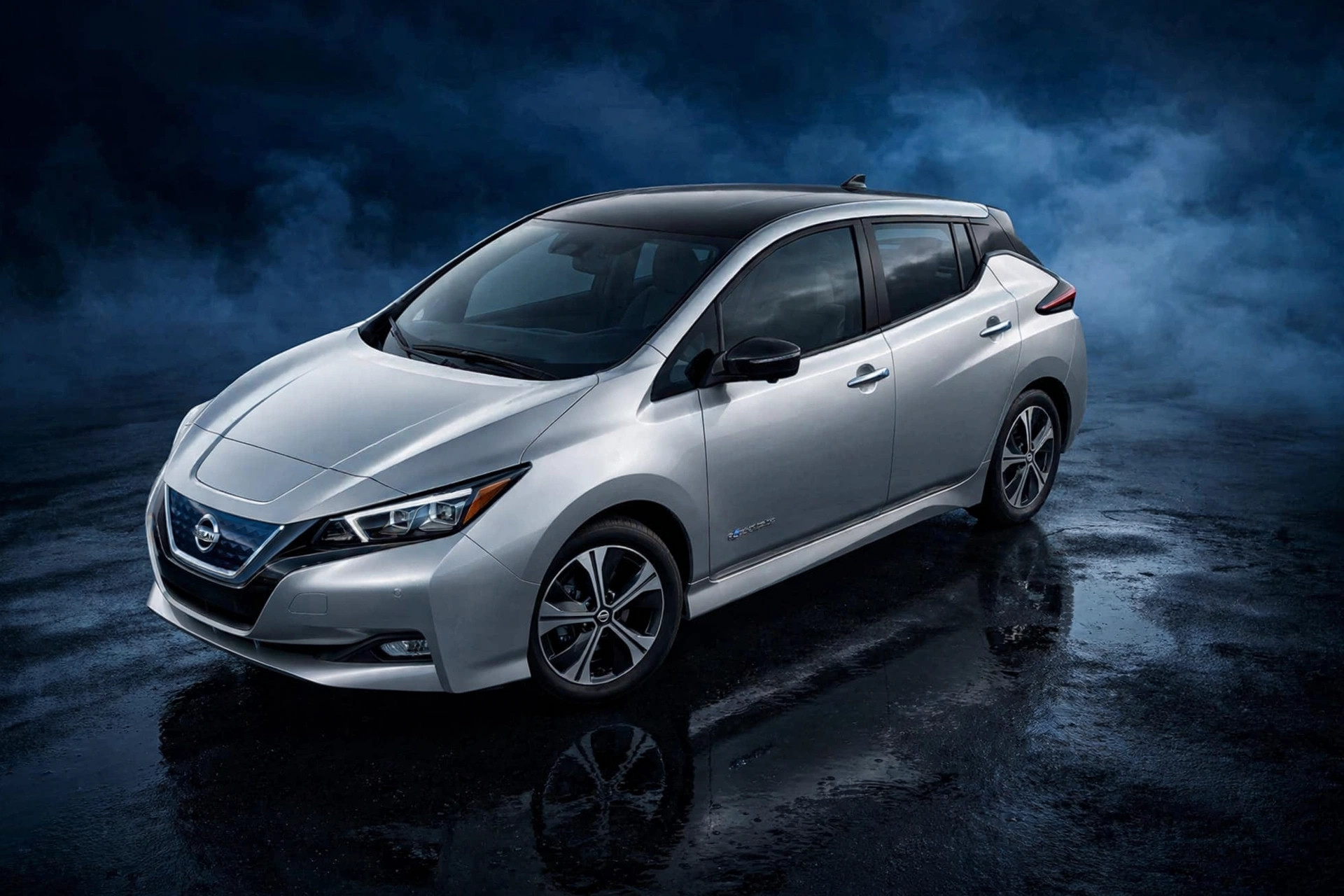
Nissan is quietly buying back thousands of Leaf electric cars over a battery defect that can cause fires during fast charging — and owners are comparing notes online about what the payouts really look like.
The buybacks stem from two safety recalls covering certain 2019–2022 Nissan Leaf vehicles. Recall campaigns R24B2 (2019–2020 models) and R25C8 (2021–2022 models), tracked by US regulators as NHTSA 24V700 and 25V655, involve excessive lithium deposits inside battery cells. The deposits increase electrical resistance and can cause rapid battery heating during Level 3 DC fast charging — in the worst case, a fire.
Nissan's interim fix was to tell owners simply not to use fast charging. For an EV sold with a fast-charge port as a headline feature, owners say that restriction gutted the car's usability — and with replacement batteries backordered for months, many were left with cars they couldn't fully use.
Owners going through the process, administered by third-party firm Morley, report encountering two distinct types of offers — and the difference can be worth thousands of dollars.
The first is Nissan's voluntary program, widely described by owners as Kelley Blue Book value plus 40%. On a 2022 Leaf SL Plus with average miles, that works out to roughly $19,000–$22,000.
The second is a statutory lemon-law repurchase, available in states like California under the Song-Beverly Consumer Warranty Act. That formula refunds everything the owner paid — down payment, monthly payments, taxes and registration fees — minus only a mileage-based usage fee. Owners and attorneys report this number is frequently higher than the voluntary offer, particularly for buyers who paid near sticker price.
One California owner who hired a lemon-law attorney after an initial claim rejection recovered roughly 95% of the purchase price, with Nissan covering the legal fees — a common outcome, since the law requires the manufacturer to pay the owner's attorney costs.
In the large Nissan Leaf Owners and BayLeafs Facebook groups, owners have been openly sharing their buyback figures:
The mood is mixed. Some owners defend the Leaf as reliable and blame bad luck or hot climates; others are on their third or fourth buyback. One owner, after his fourth Leaf was repurchased, announced he was leaving the brand for a Chevrolet Bolt.
Once Nissan approves a buyback, Morley takes over the paperwork. Owners describe the timeline as roughly:
The full journey from first complaint to check commonly runs three to six months, though the Morley stage itself is typically two to four weeks. Owners say the biggest delays come from document rejections and back-and-forth over missing paperwork.
In May 2026, Quebec owners filed a class action against Nissan Canada alleging the software-based recall fix cannot resolve the underlying battery defect, demanding full battery replacements or buybacks for 2019–2022 Leafs. Separately, even the redesigned 2026 Leaf was recalled in the US and Japan over battery modules that could short-circuit — 51 vehicles in the US were flagged, with owners told not to drive, charge, or park near buildings.
Check whether your VIN falls under recalls R24B2 or R25C8. If you've experienced battery warnings, "Service EV System" messages, or charging restrictions, document every dealer visit with dates and mileage — that paper trail determines both your eligibility and your payout. And when the offer letter arrives, compare it against the statutory formula before signing: the voluntary number and the legal number are not the same thing.
An Indo-American News website. It covers Gossips, Politics, Movies, Technolgy, and Sports News and Photo Galleries and Live Coverage of Events via Youtube. The website is established in 2015 and is owned by AGK FIRE INC.
This website uses cookies.



