The tri-border area where Ethiopia, Kenya and Somalia converge, known as the Mandera Triangle is a dynamic area that serves as a regional corridor and hub of commerce and livestock trading critical to the sustenance of the Horn of Africa. The area is inhabited mainly by ethnic Somali communities with close socioeconomic as well as development-related ties.
Cross-border mobile populations (CBMPs) make up a significant proportion of the population of the border localities of the three countries, including mobile pastoralists, refugees, seasonal cross-border labour, persons engaged in cross-border economic activity, undocumented migrants, internally displaced persons (IDPs), and communities that host refugees and IDPs. CBMPs naturally move across the border to access social services and market their livestock, crops, and other products. However, they have challenges accessing primary health care. While it is straightforward for clinical and public health workers to meet a static population's health needs, it is often difficult to deliver care to CBMPs or monitor their health outcomes. Thus, identifying strategies and mechanisms for improved cross border health is critical to mitigate the spread of communicable diseases and continuity of essential health services to the vulnerable cross-border mobile communities.
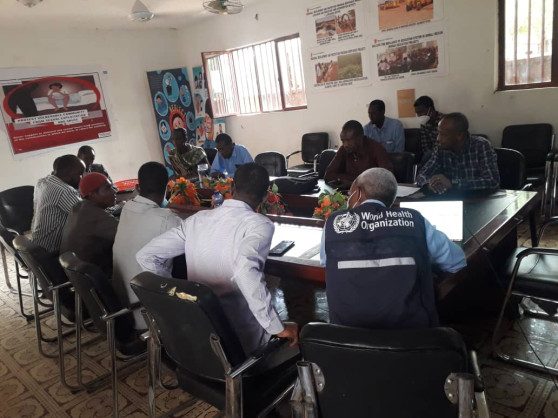
At the end of the coordination meeting, participants reached a general consensus on the need to strengthen the cross-border coordination and collaboration initiative and drew action points toward this goal. According to Mohammed Adem MAALIN, WHO-Ethiopia Somali Region Coordinator, the major achievement of the meeting was the establishment of a task force specifically assigned to finalize the working documents on coordination structure to be used in fostering cross-border strategic health alliance. Once completed, these documents will guide the coordination and harmonization of strategic health information from various sources such as health surveillance, and human and animal data flow amongst concerned parties in the area with a primary focus on joint decision making and joint actions.
WHO Ethiopia played a lead convening role alongside the Somali Region Health Bureau in the planning and conduct of this cross-border coordination meeting, and will continue to facilitate future coordination forums and mechanisms.
Distributed by APO Group on behalf of World Health Organization (WHO) - Ethiopia.
This website uses cookies.



